Dr. Chaitanya Vemu’s Eye Clinic


Diabetic Retinopathy Screening
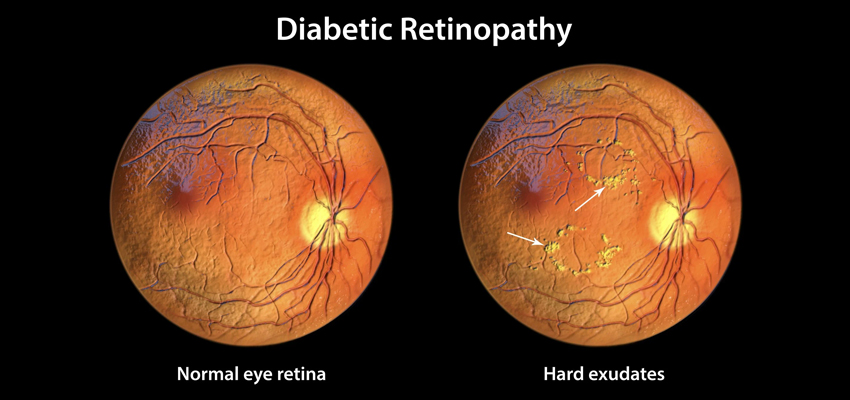
Diabetic Retinopathy is a serious eye condition caused by diabetes that affects the blood vessels of the retina. It can develop silently and may lead to vision loss if not detected and treated early.
Our Diabetic Retinopathy Screening program focuses on early detection, accurate diagnosis, and timely intervention to protect your eyesight and prevent complications.
What is Diabetic Retinopathy?
Diabetic Retinopathy occurs when high blood sugar levels damage the tiny blood vessels in the retina (the light-sensitive tissue at the back of the eye). Over time, these damaged vessels may leak fluid or bleed, affecting vision.
There are two main stages:
-
Non-Proliferative Diabetic Retinopathy (NPDR) – Early stage with mild to moderate damage
-
Proliferative Diabetic Retinopathy (PDR) – Advanced stage where abnormal blood vessels grow and may cause severe vision problems
Why Regular Screening is Important
Diabetic Retinopathy often shows no early symptoms. By the time vision changes are noticeable, significant damage may have already occurred.
Regular screening helps:
-
Detect retinal changes early
-
Prevent irreversible vision loss
-
Monitor progression
-
Plan timely treatment
-
Maintain long-term eye health
Annual eye examinations are recommended for all individuals with diabetes.
Symptoms to Watch For
In later stages, you may experience:
-
Blurred or fluctuating vision
-
Dark spots or floaters
-
Difficulty seeing at night
-
Sudden vision loss
-
Distorted vision
Immediate evaluation is necessary if any of these symptoms occur.
Advanced Diagnostic Tests We Use
Our clinic uses modern imaging technology for accurate assessment:
-
Dilated retinal examination
-
Fundus photography
-
Optical Coherence Tomography (OCT)
-
Fluorescein angiography (if required)
-
Visual acuity testing
These tests help detect even early retinal changes before symptoms develop.
Treatment Options (If Required)
If diabetic retinopathy is detected, treatment may include:
-
Blood sugar and blood pressure control
-
Intravitreal injections
-
Laser therapy
-
Advanced retinal surgery (in severe cases)
Early treatment significantly reduces the risk of severe vision loss.
Who Should Get Screened?
You should undergo regular screening if you:
-
Have Type 1 or Type 2 diabetes
-
Have had diabetes for several years
-
Are pregnant with diabetes
-
Have uncontrolled blood sugar levels
-
Have high blood pressure or cholesterol
Why Choose Us for Diabetic Retinopathy Screening?
-
Experienced retina specialists
-
Advanced retinal imaging technology
-
Early detection & preventive care focus
-
Personalized management plans
-
Comprehensive diabetic eye care under one roof